 Select Language
 English
 Spanish
 Polish
 Japanese
 Italian
 French
BYD Produces Recycled PP Pellets In-House: A Closed-Loop Material System in the Automotive Industry Is Accelerating
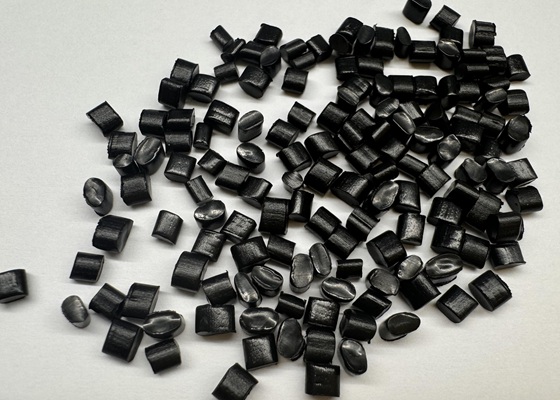
On February 27, 2026, BYD’s recycled plastics project received official approval. The facility is designed to produce 100,000 tons of plastic pellets annually, including approximately 88,000 tons of recycled PP pellets. These pellets will then enter downstream processing stages such as shredding, pelletizing, cutting, injection molding, and packaging. The project is expected to produce around 1.8 million sets of automotive components per year, creating a closed-loop pathway of recycling, pelletizing, and manufacturing.
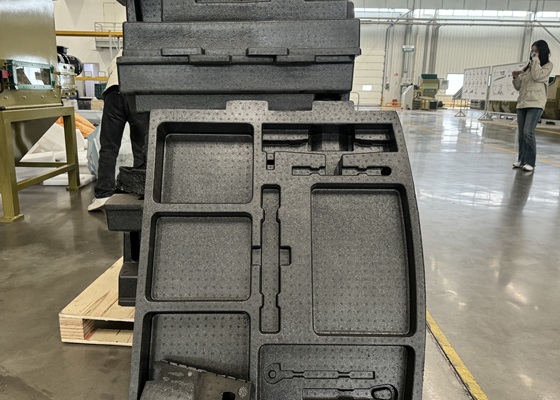
In the automotive industry, EPP (expanded polypropylene) is widely used in both protective components and high-value packaging applications, such as headrest supports, door protection systems, and transportation packaging. Within electric vehicle battery systems, EPP is also used for thermal insulation and electrical insulation, helping improve safety and assembly efficiency. Because EPP foam is fundamentally part of the PP material system, it can be converted into recycled PP pellets through compression and pelletizing processes.
BYD’s investment in recycled pellet production further confirms the stable demand for recycled PP materials in the market, providing a clearer downstream pathway for the EPP recycling value chain.
Why Expanded Polypropylene Recycling Often Requires Volume Reduction Before Pelletizing
In reality, large-scale pelletizing machines require high investment, significant factory space, and professional operation and process management. Not every company is ready to deploy a full industrial pelletizing line.
At the same time, EPP waste often needs to be transported long distances from the generation site to recycling facilities. Because foam materials are lightweight but extremely bulky, transportation costs can quickly become disproportionally high.
For this reason, many companies interested in EPP recycling start by installing an EPP foam densifier at the source to complete the first step of the recycling process:
· Rapidly compress loose foam into denser, standardized materials
· Significantly reduce transportation volume and storage space
· Eliminate disposal and landfill costs while lowering operational expenses
· Increase the economic value of EPP waste by selling compressed blocks
· Align with environmental policies by recycling materials directly at the source
Using Foam Recycling Machines for Front-End Volume Reduction
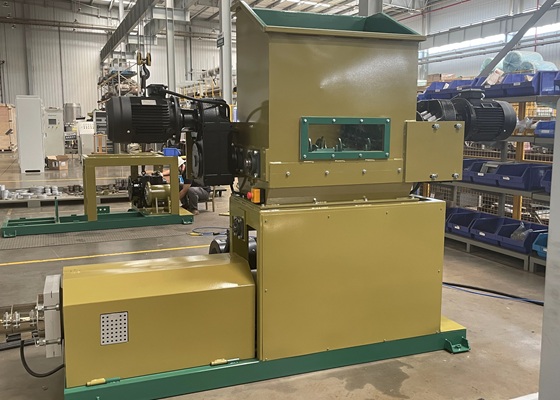
With this type of foam recycling machine, the front-end process only needs to focus on volume reduction and standardized output. The workflow is straightforward—similar to typical industrial equipment with a simple “feed-in and discharge” process—making it easier to operate and train staff.
This solution is particularly suitable for companies that want to solve the problem of accumulated EPP waste in their facilities, reduce transportation and landfill costs, and generate additional recycling revenue.
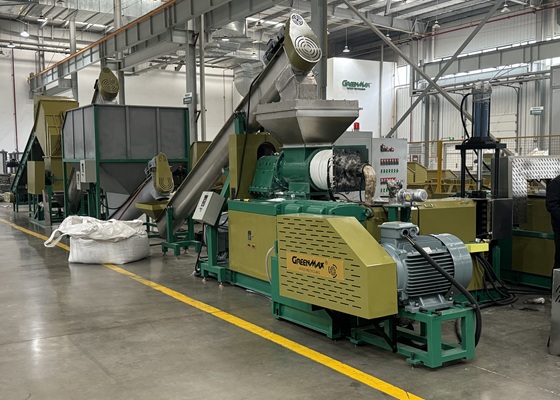
The GreenMax Mars series EPP foam densifier is designed for simple operation and can continuously produce high-density melted blocks with a volume reduction ratio of up to 90:1. The system uses a three-stage independent temperature control structure. After shredding, the foam is continuously melted and extruded into dense material blocks, typically requiring only one operator for feeding and collection.
GreenMax has also provided automotive EPP recycling solutions for companies such as Toyota in Japan and Remondis in Germany. In Toyota’s case, the EPP waste had a relatively high density of approximately 70–90 kg/m³. Through a combination of dual shredding, three-stage melting, automatic cutting, and a water-cooling system, large EPP waste pieces were successfully processed into dense melted pellets, enabling efficient expanded polypropylene recycling.
Pelletizing Machines: Higher Value but Better Suited for Industrial Recycling Plants
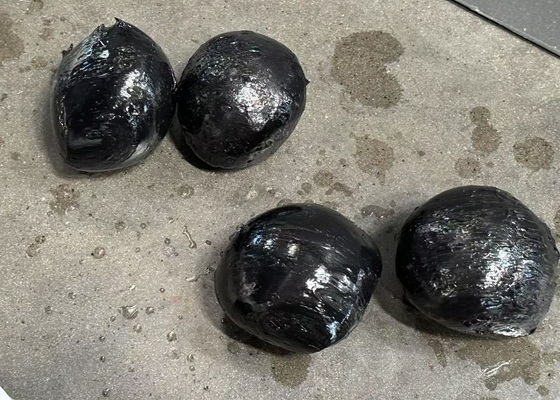
Compared with compressed blocks, pelletizing machines can further process materials into stable recycled PP pellets, which usually have higher market value and broader downstream applications. However, pelletizing systems are generally more suitable for:
· Companies with stable and large volumes of EPP or PP waste supply
· Recycling plants with sufficient factory space and environmental compliance systems
· Operations with professional teams responsible for material control, cleaning, filtration, formulation, and quality management
Common Questions About Compression and Pelletizing
1. For densifiers: What scenarios are EPP foam densifiers suitable for? Are they difficult to operate?
EPP foam densifiers are ideal for foam waste generation sites or regional recycling stations to perform front-end volume reduction. The machine converts loose EPP or PP foam into dense intermediate materials, which can then be transported in bulk to pelletizing plants.
Daily operation typically involves feeding material, monitoring temperature and machine operation, and collecting output materials. Compared with a full pelletizing line, the process is significantly easier to manage. Proper safety and maintenance procedures—such as temperature management, contamination control, and routine cleaning—remain essential.
2. For pelletizing machines: What should be evaluated before installation?
Before installing a pelletizing machine, three key factors should be carefully evaluated:
· Material supply: Whether there is a stable, sufficient, and relatively clean source of EPP or PP waste
· Facility compliance: Whether the factory space, environmental systems, energy consumption, and emission management can support long-term operation
· Downstream demand: Whether there are confirmed applications for the recycled pellets, such as automotive interior or exterior components, and whether the required quality standards and certifications can be met